





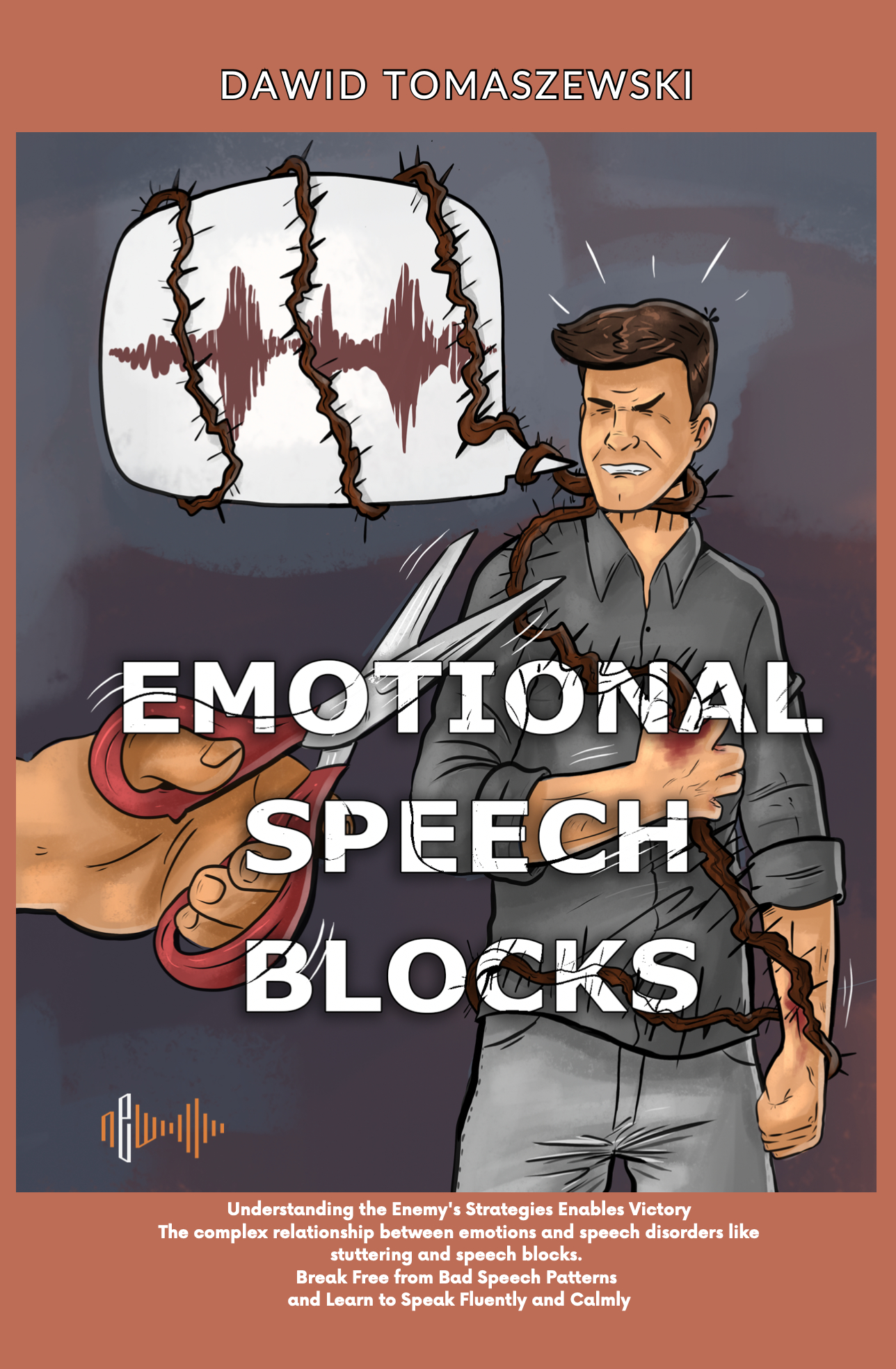

Speech Blocks: The Neurological and Emotional Connection
Speech blocks, often associated with stuttering, are moments when an individual struggles to initiate or continue speech despite knowing what they want to say. These interruptions in verbal expression can be frustrating and debilitating, impacting communication, confidence, and daily interactions. Understanding the neurological and emotional roots of speech blocks provides crucial insight into their occurrence and potential ways to manage them.
The Role of Broca’s Area in Speech Production
The human brain has specialized regions responsible for different aspects of language processing. One of the most critical areas for speech production is Broca’s area, located in the left frontal lobe. This region plays a fundamental role in forming grammatically correct sentences and coordinating the motor functions necessary for articulation.
Studies indicate that disruptions in Broca’s area can lead to speech production difficulties, including aphasia, a condition that impairs one’s ability to speak fluently. In cases of speech blocks, heightened neural activity or misfiring within this region could interfere with the smooth execution of speech, causing involuntary pauses and hesitation.
The Emotional Influence: Insights from Professor Joseph LeDoux
Speech blocks are not solely a neurological issue; emotions play a pivotal role in their manifestation. Professor Joseph LeDoux, a renowned neuroscientist, has extensively researched the influence of emotions on bodily functions, particularly how fear and anxiety affect physiological responses.
LeDoux’s work highlights the amygdala’s role in processing fear and stress, which can trigger involuntary reactions such as muscle tension, increased heart rate, and shortness of breath. When an individual experiences high levels of stress or anticipatory anxiety about speaking, these physiological responses can interfere with the coordination of speech-related muscles. This leads to the characteristic blocking phenomenon observed in individuals who stutter.
The Interaction Between Neurology and Emotion
The connection between Broca’s area and the amygdala suggests that speech blocks result from an interplay of cognitive and emotional factors. When a person anticipates a challenging speaking situation, heightened anxiety can cause the amygdala to send signals that disrupt the smooth operation of Broca’s area and associated motor pathways. This can lead to hesitation, repeated attempts to initiate speech, or complete verbal shutdown.
Managing Speech Blocks: A Holistic Approach
Given that speech blocks arise from both neurological and emotional factors, effective management strategies should address both aspects. Some approaches include:
- The NewSpeech Method: This innovative approach focuses on relearning speech through structured training. By consciously practicing new speech patterns and techniques, individuals can bypass habitual speech blocks and develop a fluent, controlled way of speaking. The NewSpeech method helps retrain the brain’s speech centers, reducing the likelihood of blocks by reinforcing new neural pathways.
- Cognitive-behavioral therapy (CBT): Helps individuals reframe their thought patterns and reduce anxiety related to speaking.
- Speech therapy techniques: Methods such as slow speech, controlled breathing, and desensitization exercises can improve fluency.
- Mindfulness and relaxation exercises: Reducing overall stress levels can help minimize the physiological responses that contribute to speech blocks.
- Neuromodulation therapies: Emerging research suggests that non-invasive brain stimulation techniques may help regulate activity in Broca’s area.
Conclusion
Speech blocks are a complex phenomenon influenced by both brain function and emotional states. By understanding the role of Broca’s area and the emotional mechanisms outlined by Professor LeDoux, individuals who experience speech blocks can develop strategies to improve their communication abilities. A combination of speech therapy, psychological support, the NewSpeech method, and stress management techniques offers a comprehensive approach to overcoming these challenges and enhancing fluency.