


-
Article
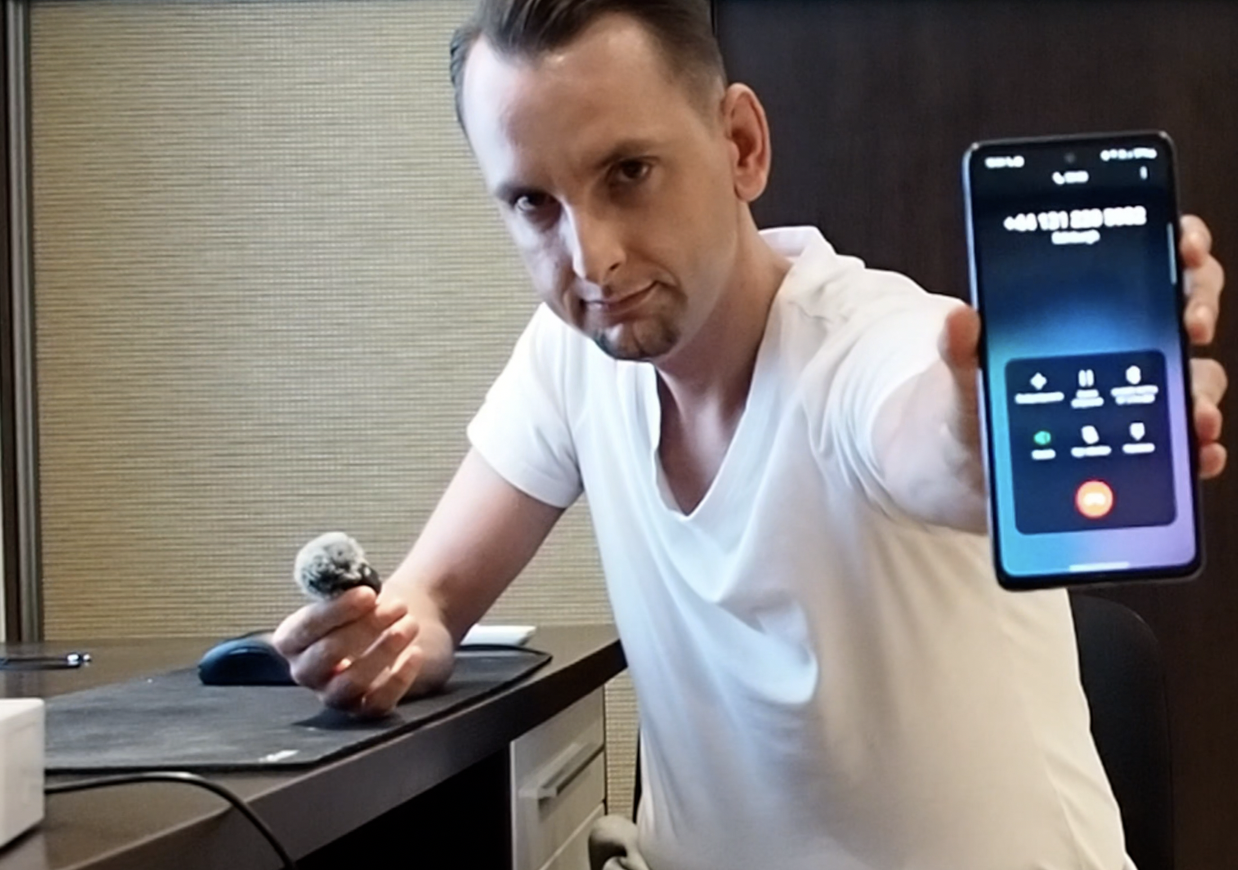
Dawid’s Story: 20 Years of Speech Blocks — and a Remarkable Transformation For 20 years, Dawid struggled with severe speech blocks that made speaking situations extremely difficult. One of the biggest challenges was using the telephone. For most people, making a phone call is an ordinary part of everyday life. For Dawid, it was something…
-
Article
Breaking the Invisible Cage: The Journey of Joanna Ibisz The Reality of the “Invisible Cage” For many, speech is a natural tool, but for those struggling with severe stuttering and debilitating speech blocks, it can feel like living in an “invisible cage”. Joanna Ibisz (formerly Kudzbalska), a doctor and former model, experienced this reality for…
-
Article
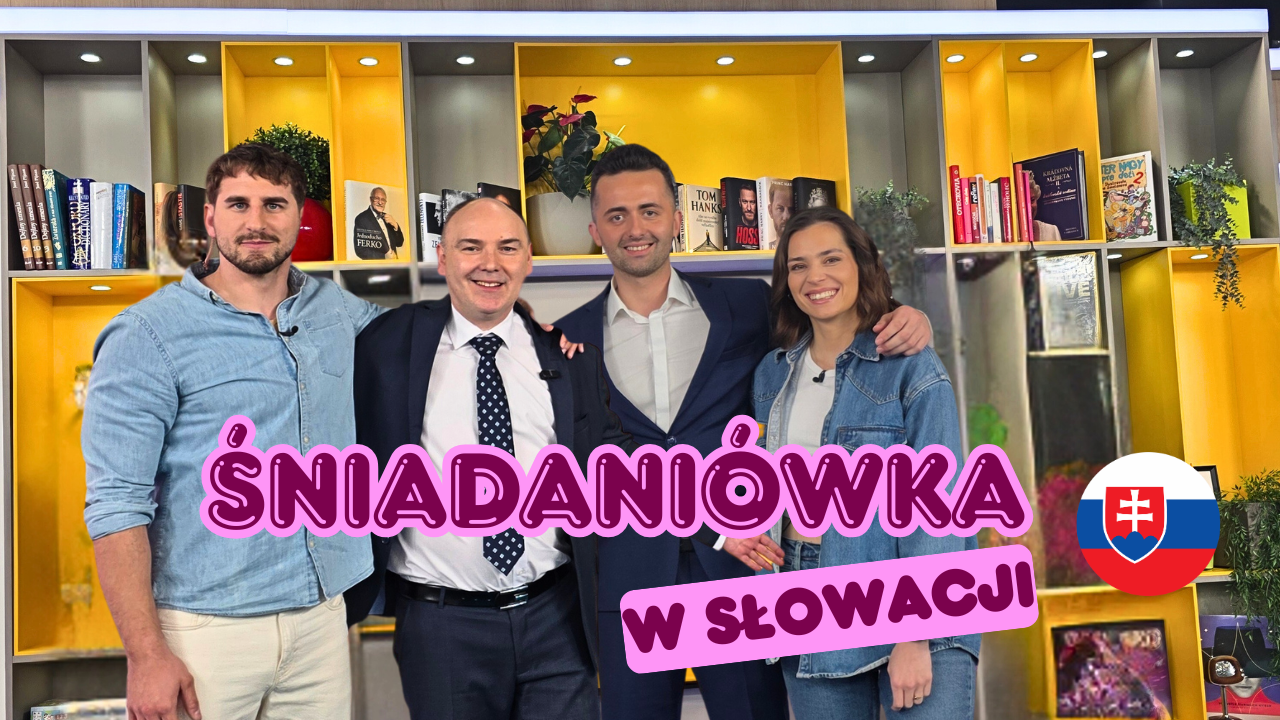
Breaking the Silence: Dawid Tomaszewski and Zoltane Kecso on Markíza TV Slovakia We are proud to share a powerful moment in the journey to raise awareness about stuttering and speech blocks. Dawid Tomaszewski and Zoltane Kecso recently appeared on Slovakia’s leading television network, TV Markíza, to shed light on the emotional and neurological aspects of stuttering,…

Winchester, England

nowamowa@gmail.com

10 PM – 6 PM

+ 48 607 062 701
Have You Any Quires ?
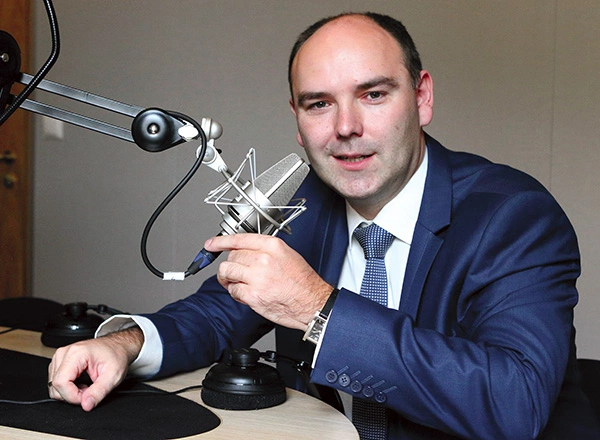
Hello I’m David
I stuttered and had speech blocks for almost 20 years, which made life very difficult. I couldn’t say what I wanted to.
About ESBS
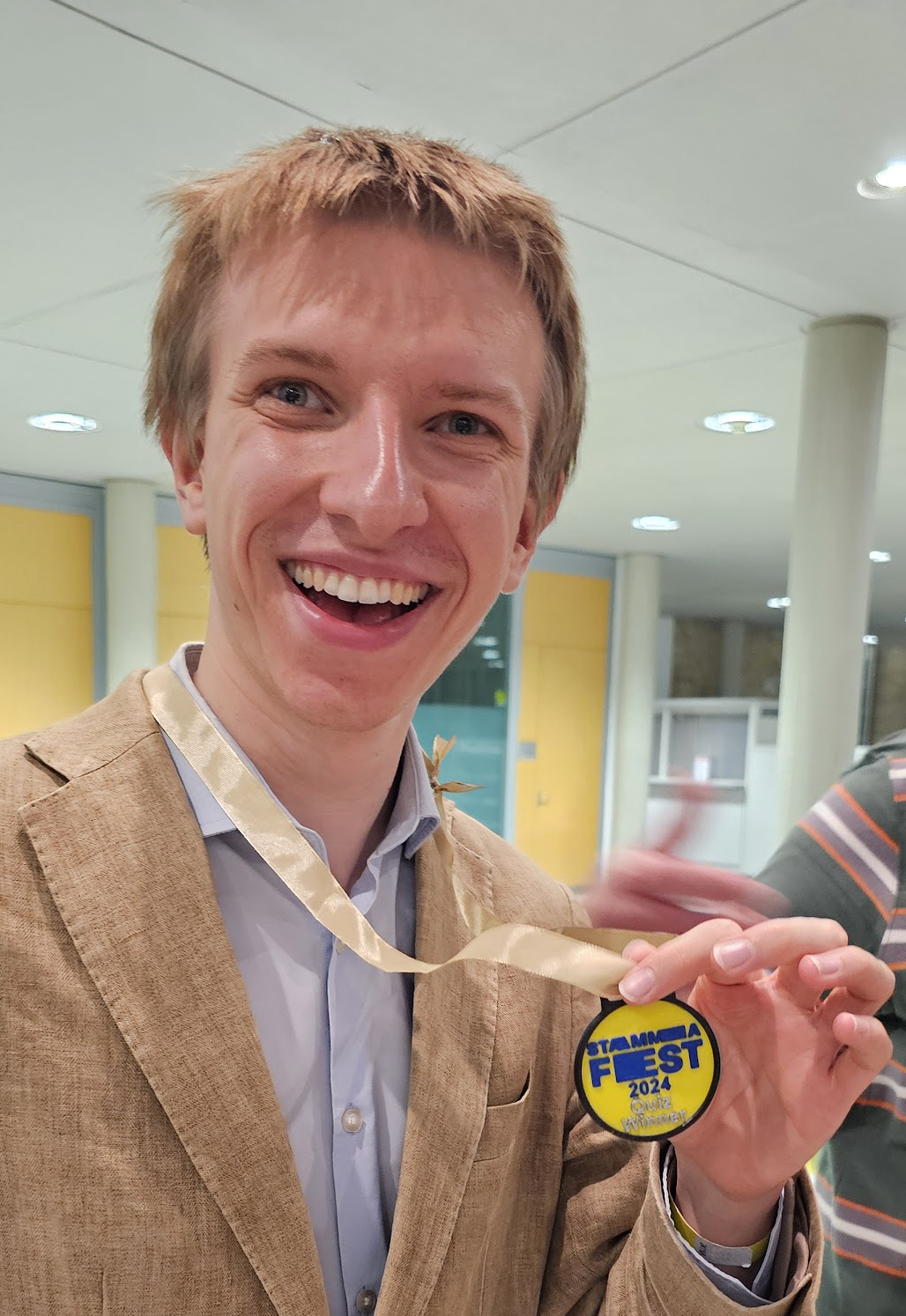
Phone Calls – StammaFest 2026
How to Overcome Telephone Anxiety: A Practical Guide from the New Speech Lecture
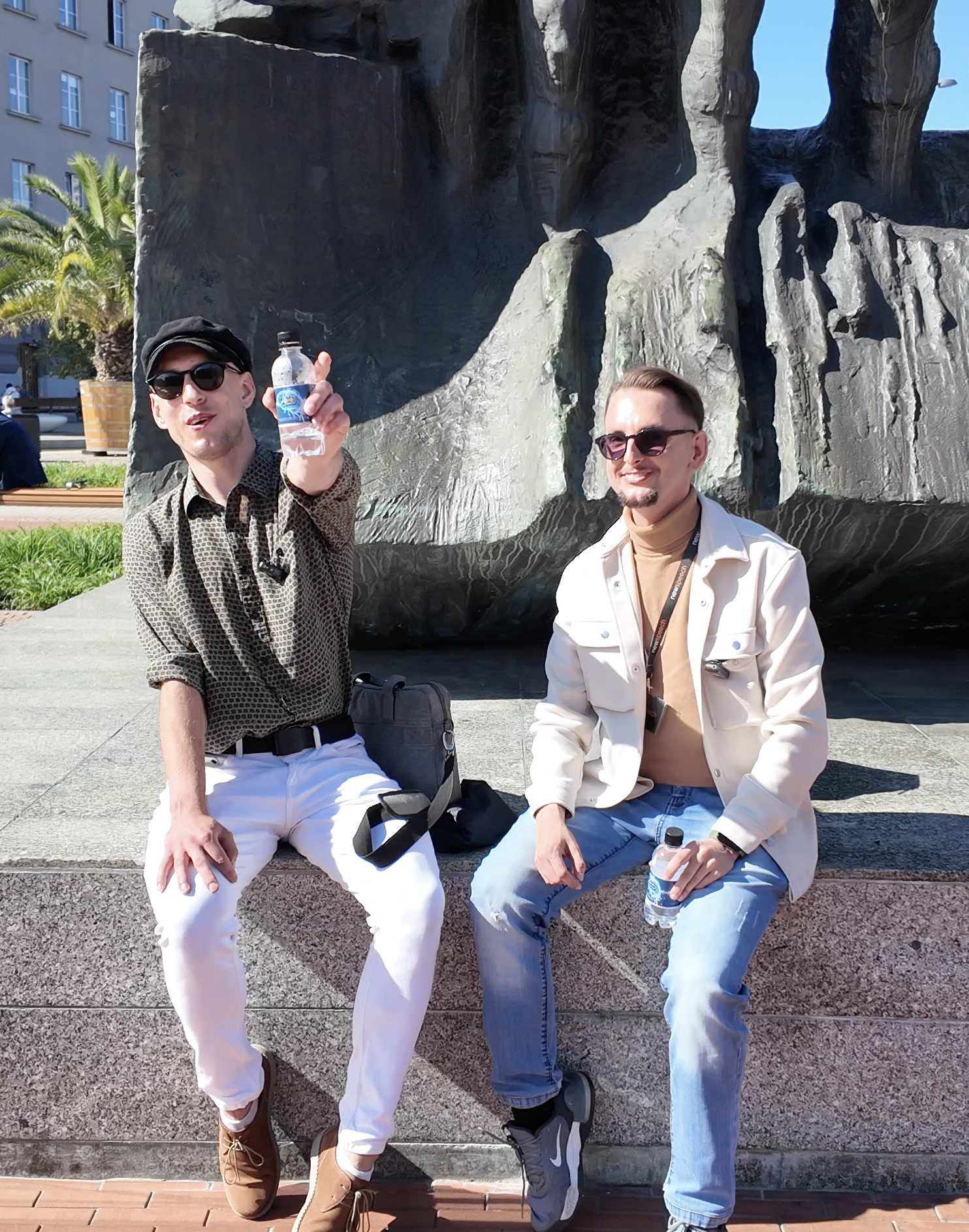
Making phone calls can be one of the most daunting challenges in daily life for people who stammer or experience speech blocks. During the StammaFest conference at the University of Northampton, Dawid Tomaszewski (founder of the New Speech Foundation) and Jakub (a mathematics teacher and former student of the foundation) presented practical methods for overcoming communication barriers and conducted an extraordinary demonstration—making a live phone call straight from the stage.
Here are the key takeaways and proven strategies to help you regain confidence on the phone.
Why Does the Phone Cause Anxiety?
Telephone anxiety (phone phobia) isn’t caused by a lack of knowledge, but by specific psychological and physiological mechanisms:
- Lack of visual feedback – You can’t see the listener’s body language or facial expressions, making it harder to gauge their reaction.
- Time pressure – Phone calls demand quick back-and-forth exchanges, creating a fear of not responding instantly.
- Fear of silence on the line – The worry that a brief pause or a speech block will be mistaken for a dropped call.
- Physical tension in the speech apparatus – The mere sound of a ringing phone can trigger a stress response and muscle spasms in the vocal tract.
Avoiding calls, relying on others, or sticking to text messages only brings temporary relief. The hardest part about speech blocks is the feeling that your thoughts “die” in your head before you ever get the chance to speak them.
Stammering vs. Speech Blocks – What’s the Difference?
Effective speech work starts with understanding the specific type of difficulty you are facing:
- Classical Stammering (Stuttering) – Characterised by the repetition or prolongation of syllables and sounds. Although fluency is disrupted, the message usually gets across to the listener.
- Speech Blocks – A complete physical constriction of the speech apparatus and body. The speaker has a clear thought in mind but is physically unable to produce any sound at that moment.
4 Pillars of a Successful Phone Call
Here are four practical steps to manage tension and navigate a phone call smoothly:
1. Written Preparation: Script or Keywords?
- Full script: If reading out loud feels comfortable and stress-free for you, prepare a complete word-for-word text—from the greeting to the final question.
- Keywords: If reading increases your anxiety, write down just 2–3 bullet points (e.g., 1. Introduction, 2. Ask about opening hours). This reduces cognitive load and keeps your thoughts from racing ahead of your speech.
2. Practice Runs and Recording Analysis
- Simulations with loved ones: Rehearse the flow of the conversation with a trusted friend or family member.
- Voice recorder practice: Record yourself to objectively assess your pace, tone, and level of relaxation. Making a few different versions helps you find your most comfortable voice.
3. Calm Execution (Pace Control)
- Consciously slowing down: Intentionally cutting your speaking speed in half gives your speech muscles time to relax and prevents spasms.
- The listener’s perspective: A pace that feels unnaturally slow in your head sounds completely natural, calm, and professional to the person listening.
4. Body Language and Physical Relaxation
- Speaking is a physical process that engages your entire body.
- Maintaining an easy, relaxed posture while speaking prevents you from physically fighting against individual sounds.
Live Experiment: How Do People Really React?
During the presentation, Jakub made a real phone call from the stage to an optician’s shop in Northampton. Despite the immense stress of speaking in front of an audience, applying a calm speech tempo resulted in complete success.
The person on the other end responded with total professionalism, patience, and warmth. This proves that most of our fears regarding hostile or rude reactions from listeners are entirely unfounded.
Building Habits: Finding Joy in Everyday Communication
True speaking freedom is built through small, everyday steps:
Small challenges: Before his successful call, Jakub made practice calls to around 30 barbershops in London with a simple question about haircut prices, which helped him build lasting confidence.
Real-world practice: Choose traditional supermarket checkouts instead of self-service lanes, ask shop assistants questions, or chat at the hairdresser’s.
About ESBS
Stammering and Speech Blocks – Wave Nature – StammaFest 2024
Stammering and speech blocks both affect the fluency of communication.
Stammering is a characterised by the repetition of sounds, syllables, words, or phrases during speech.
Speech Blocks occur during intense body tension. They prevent communicating thoughts in a given moment.
Here are some differences between stammering and speech blocks:
In stammering therapy, reducing the speed of speech reduces the visible symptoms. People with speech blocks need a holistic approach. For example, in New Speech courses.
Those who stammer are able to convey their thoughts. It may last longer because of repetitions and prolongations, but in the end, their thoughts are communicated. Speech blocks do not allow for this. A person with speech blocks looks for replacement words, withdraws and uses camouflage to maintain conversation.
About Our Company
Speech Re-Learning
Discover a new way to speak.
New Speech is an innovative method allowing people to relearn
to speak regardless of the intensity of their stammering or
speech blocks.
🌟 An important feature of New Speech training is connecting
relaxation with creating sound. This allows you to speak
confidently in any situation.
👥 New Speech courses are tailored to the individual needs of
each trainee and their family.
✨ Trainees already using New Speech form an important part of
speech training process. You can follow the path of those who
were there before you.
Mission – Education
our channel
Jakub and I created a YouTube channel to share our stories—how difficult life was with stuttering and how we won the battle.
Founder
About David Tomaszewski
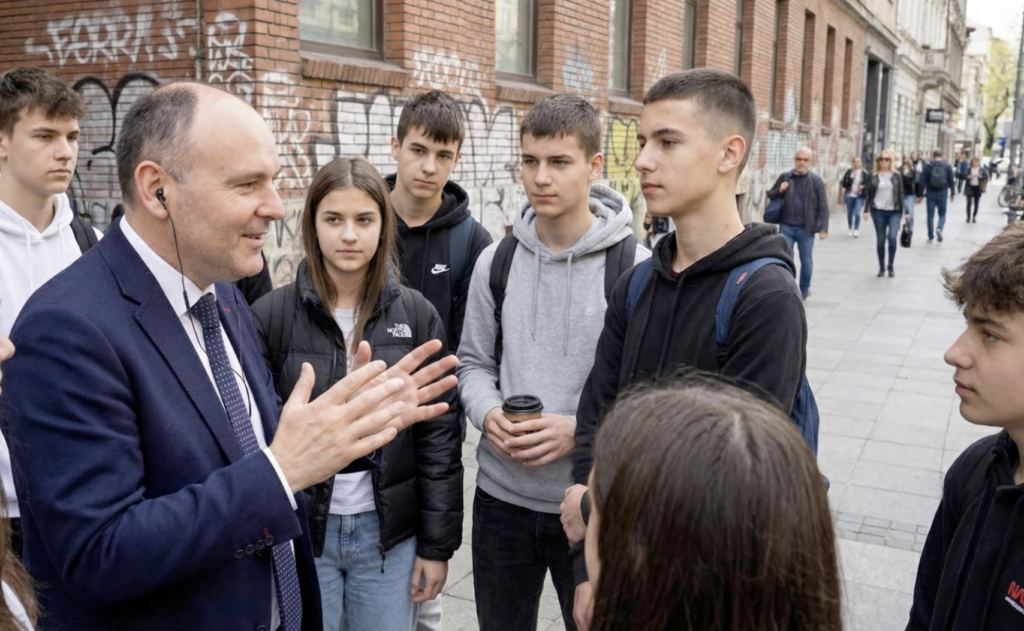
Creator of the New Speech Method
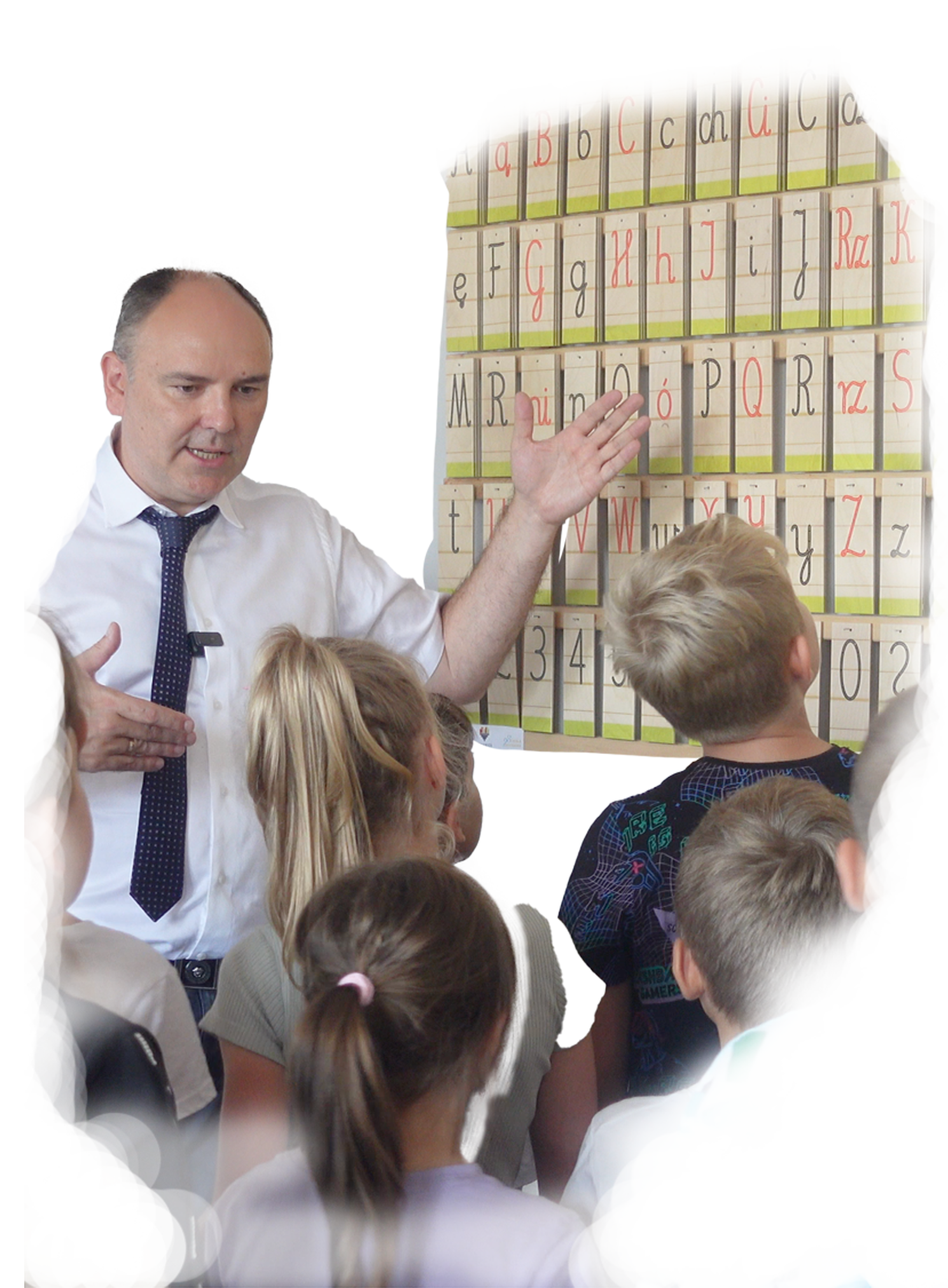
I am a pedagogue, New Speech trainer, and the creator of a comprehensive system for retraining speech patterns, designed to help individuals with severe speech difficulties. My method is not just a technique—it is a holistic approach to developing new speech habits, especially for cases where traditional therapies often fail.
Expert in the Most Challenging Cases
For over 20 years, I have been helping individuals struggling with stuttering and severe speech blocks. My work focuses on the most difficult cases, where conventional methods prove insufficient.
Personal Experience
Having struggled with severe speech blocks for most of my life, I deeply understand the challenges my clients face. My personal journey to fluency became the foundation of the unique method I now teach to others.
Extensive Media Presence
My approach to speech therapy has been featured in over 100 television programs, numerous radio interviews, and international conferences. I share my knowledge to inspire both professionals and individuals seeking support.
Educator & Content Creator
I run an educational YouTube channel with over 1,600 subscribers worldwide. Through valuable content, I help individuals dealing with stuttering and speech blocks find their path to fluency.
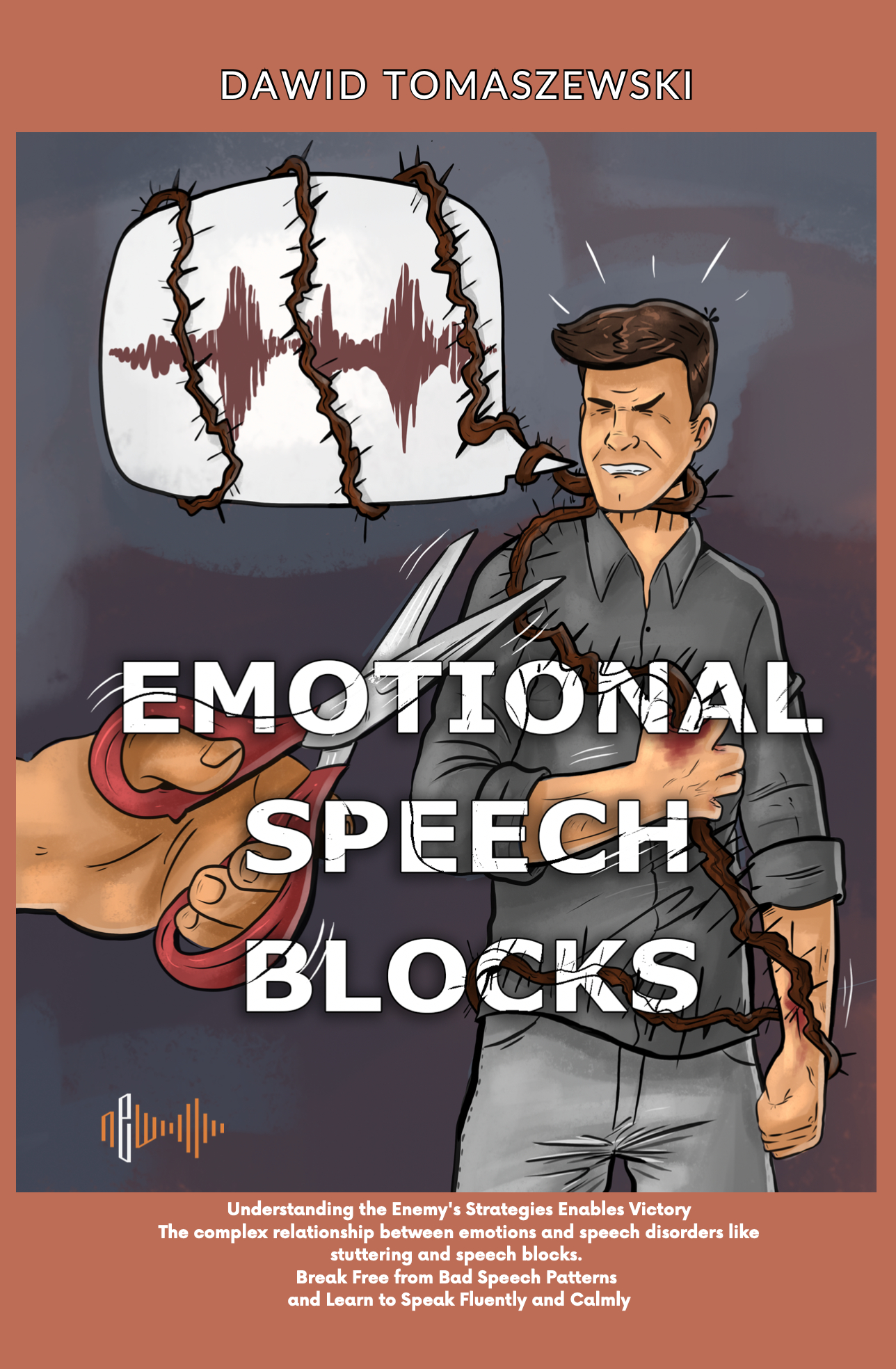
Author of Emotional Speech Blocks
In my book, I explore the emotional foundations of stuttering and provide practical strategies for overcoming these obstacles. It serves as a guide for those who want to improve their speech while understanding the deeper mechanisms behind speech blocks.
Teams
Our Passion
New Speech users will help you with training, and in the book Emotional Speech Blocks, you will read and learn more about how the mechanism of speech blocks works.

Client Reviews
Feedback From Our Clients
I had speech blocks for 28 years, but today I enjoy fluent speech without stuttering.

John Williams
Teacher

I had speech blocks for 12 years, but today I enjoy fluent speech without blocks.

Lucas
Student
Updates
Latest Articles

adult alcohol aristotle avoid of speak camuflage demosthenes kids markiza speech blocks stuttering in school Stuttering Is Not an Inborn Trait stuttering Through History